Intermittent Fasting, Another Diet Trend?

Intermittent fasting (IF) is one of the most talked-about diet approaches now, with some people experiencing benefits, while others suffer consequences. It is easy to feel overwhelmed when trying to improve your eating habits.
The truth is that intermittent fasting is definitely a “grey area” in nutrition.
However, if you fall under the grey area of navigating a chronic illness, we’ll dive into why you should not try out IF!
Please consult with your doctor or dietitian before beginning any fasting journey. You can book a discovery call to learn more.
A Simple Breakdown: Intermittent Fasting 101
Intermittent fasting (IF) is an eating routine that focuses on when you eat, rather than what you eat. This routine cycles between eating and fasting on a consistent schedule.
An example of what IF looks like:
12:12 fast – Eat within a 12-hour window (e.g., 8 am to 8 pm), then fast for the next 12 hours.
16:8 fast – Eat within an 8-hour window (e.g., 12 pm to 8 pm), then fast for the next 16 hours.
What You Need to Know about Chronic Conditions and IF
IF may serve benefits for some people, but it is not recommended for folks dealing with insulin resistance. This means that those living with diabetes, prediabetes, and Polycystic Ovary Syndrome (PCOS) should be mindful of the risks IF can pose!
If you are also taking glucose-controlling medications (such as insulin, SGLT2, GLP1s), IF is strictly unsafe. There is an even higher risk of low blood sugar/hypoglycemia, posing dangerous consequences that can be life-threatening.(1)
If you’re wondering why and how fasting is unsafe, here’s a simple breakdown:
When you fast, your blood sugar levels naturally drop, and your pancreas and liver work to prevent your blood sugar levels from dropping too low by releasing glucose
The danger for insulin-resistant individuals is there because their bodies do not properly respond to insulin. Therefore, the glucose released from fasting stays in the bloodstream
As a result, blood sugar levels can go up!(2)
Diet Cycling: A Gateway to Eating Disorders
Whether or not you have a chronic condition, IF can unintentionally set you on the path to the binge-restrict cycle. There are serious psychological impacts to consider, as research studies show a significant increase in disordered eating behaviours caused by intermittent fasting.(3)
The reality is that putting heavy restrictions on your eating can be physically and emotionally exhausting and lead to overwhelming cravings. This can make you more vulnerable to start binge-eating and later experience feelings of shame or guilt.
Gut-friendly and Digestion Benefits, With Caution!
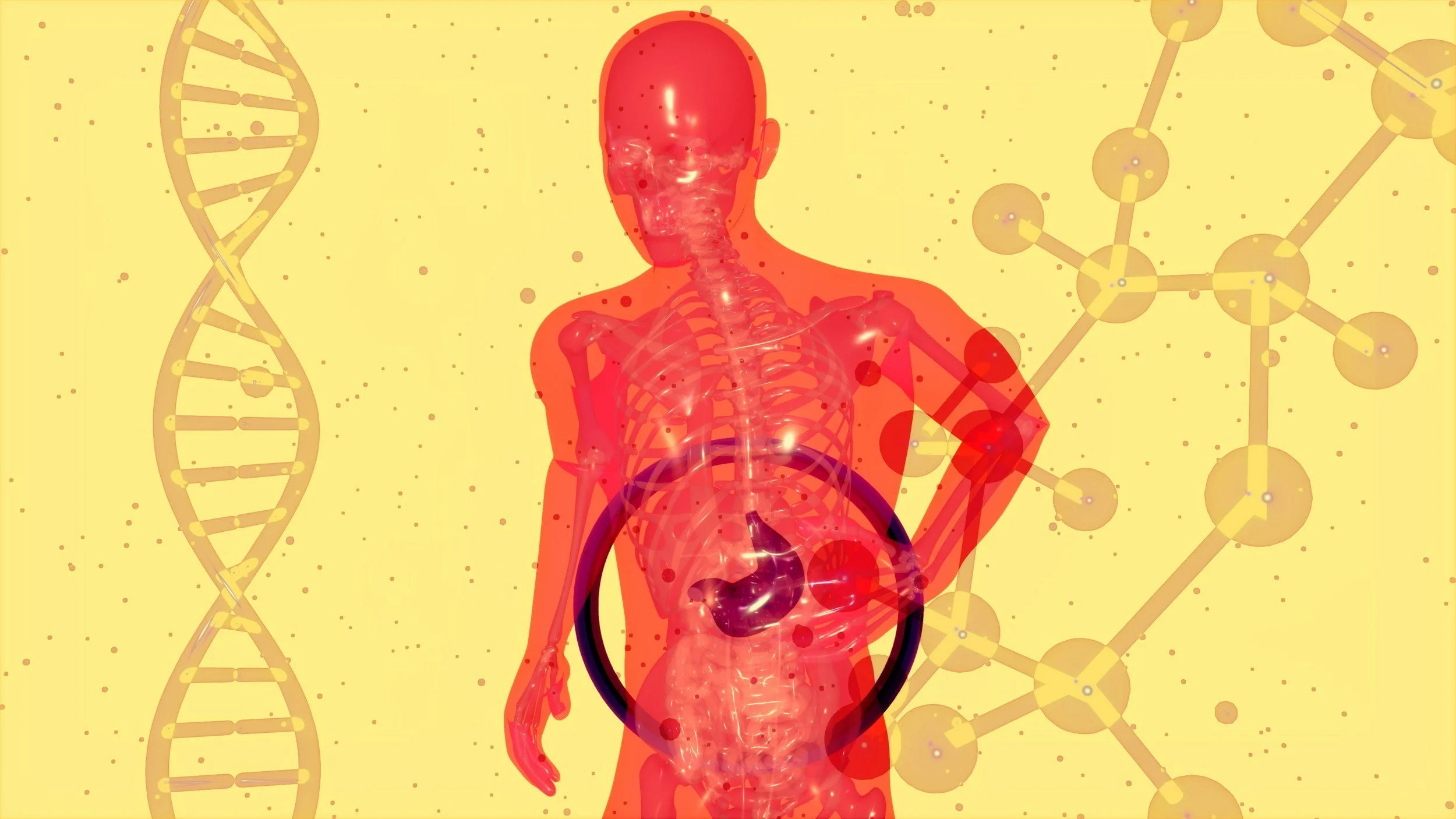
Gut health is a popular topic brought up in conversations with intermittent fasting, since it has been proven to serve digestive benefits.
And it is true… by giving your digestive system a rest overnight, compared to eating late in the evening, there are benefits for regulated bowel movement and a healthy gut barrier.(4)
However, as we learned earlier about the potential risks if you live with a chronic condition, fasting does not have to be the answer.
Instead of IF, you can still try to give your gut bowel rest at night by:
Eating balanced meals regularly throughout the day
Keeping mealtimes generally consistent
Snacking earlier in the day, rather than late-night snacking
Try this mindset: Think of giving your gut rest at night as a gift to your body…just like we need sleep, our digestive system does as well!
Is It Sustainable?
It is important to remember that many diets are not sustainable, and weight loss does not equate to overall health. If you are considering IF, it is important to start it for the right reasons. After careful consideration of your needs, IF can be sustainable if you’re mindful of your body’s response and feel positive changes!
However, it will not be sustainable if you’re seeking a quick weight-loss fix and forcing it to fit into your lifestyle. Your approach should not be pushing your body to extreme limits, but to work steadily and mindfully.
It is important to consult with your doctor or dietitian before beginning any fasting journey!
The 12:12 Fast
As mentioned earlier, the 12:12 fasting schedule is common, but also the safest method, especially for folks on glucose-lowering medication. Why? Because most of the fasting period occurs during your sleep, making it feel more manageable and easier.
Compared to the other fasting options, such as the 16:8 method, the 12:12 fast can feel less restrictive and put less stress on your blood sugar levels.
Again, be sure to speak with your healthcare professional if this seems like a journey you should start!
Note: It is unsafe to begin intermittent fasting if you are pregnant or breastfeeding, have a past with disordered eating, or if you take insulin for type 1 diabetes/type 2 diabetes.5 Those who take glucose-controlling medications in general need professional insight and should recognize the life-threatening risks with IF!
How to Start Intermittent Fasting
If you meet the guidelines to be able to fast, this grey area can provide recommendations that are approved by healthcare professionals.
Here’s some advice to begin IF if you don’t know where to start:
Take baby steps! You don’t need to dive in following strict rules. Safely work within your own limits and pace, respecting your body’s capabilities.
Try to make your meals count. Eating balanced meals that actually satisfy you during the eating period will support your journey mentally and physically. Nourishing your body will make the fasting windows feel easier as you are energized and more satisfied.
Hydration is also key here! Especially during fasting hours, staying hydrated will prevent fatigue, headaches and the overall “bleh” feeling.
Wrapping it All Up
As you can see, intermittent fasting is not a one-size-fits-all solution. For some, IF can provide benefits, but for others, there are high risks, both physically and mentally.
Having a positive relationship with food also means recognizing the risks that certain diets can present. A healthy mindset should not look like placing restrictions on your eating and strictly avoiding foods. These habits often come with too many consequences, especially if you’re also navigating a chronic disease.
What matters is having a balanced and friendly approach to your eating and seeing positive changes in how you feel.
References
Wood K. Diabetes and intermittent fasting: Benefits and risks. www.medicalnewstoday.com. Published March 2, 2021. https://www.medicalnewstoday.com/articles/intermittent-fasting-type-2-diabetes#risks
National Institute of Diabetes and Digestive and Kidney Diseases. Insulin resistance & prediabetes. National Institute of Diabetes and Digestive and Kidney Diseases. Published May 2018. https://www.niddk.nih.gov/health-information/diabetes/overview/what-is-diabetes/prediabetes-insulin-resistance
Blumberg J, Hahn SL, Bakke J. Intermittent fasting: consider the risks of disordered eating for your patient. Clinical Diabetes and Endocrinology. 2023;9(1). doi:https://doi.org/10.1186/s40842-023-00152-7
Schwartz M. Here’s How to Fast for a Healthier Gut. Health.com. Published June 15, 2025. https://www.health.com/nutrition/how-to-fast-healthy-gut
Johns Hopkins Medicine. Intermittent fasting: What is it, and how does it work? Johns Hopkins Medicine. Published 2021. https://www.hopkinsmedicine.org/health/wellness-and-prevention/intermittent-fasting-what-is-it-and-how-does-it-work