What the Protein?!
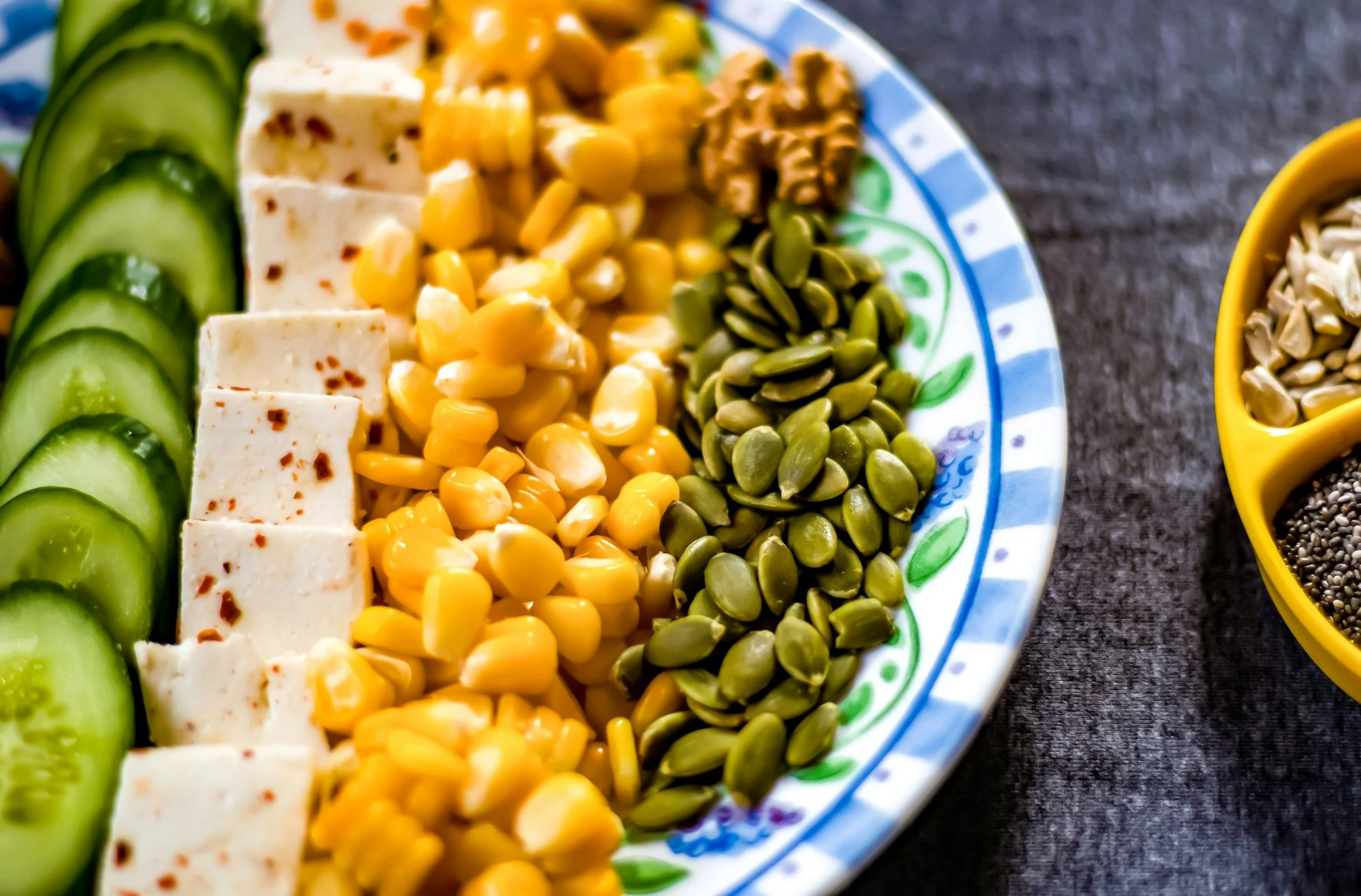
Protein has been a main topic of conversation lately, often geared towards fitness and muscle building. Beyond the fitness tips and viral high-protein recipes, protein plays a much more essential role in our health.
Whether your goal is building muscle mass, maintaining a healthy weight, or to simply feel your best, understanding protein’s role can help you make more informed dietary choices.
Unsure where to start? Book a Discovery Call to learn more!
What Is Protein?
Protein is commonly known as the building blocks of life, but from a nutritional perspective, what does that mean?
Protein is one of the three essential macronutrients for our body, made up of chains of amino acids. These amino acids can be found in plant and animal sources such as beans, soy, eggs, poultry, and fish. Our body loves these amino acids because they constantly work to build muscle tissue, help digestion, and transport nutrients!
Protein In Action
Now that we know what protein is, let’s talk about how it works in the body. As stated earlier, when we consume protein, our body digests it into amino acids. Our body requires 20 essential amino acids to function.
Once digested, unlike fats and carbohydrates, protein is not stored in the body. Instead, the amino acids are put to work, performing multiple bodily functions! Some major functions include muscle growth/repair, nutrient transportation, and immune support.
Low-Stress, High-Protein Tips
Here are a few realistic and sustainable tips to boost your protein in your daily meals!
Find Your Own Flow
It is easy to feel intimidated by the media’s portrayal of protein —drinking multiple protein shakes a day and eating bulky gym meals isn’t for everyone. Ease into it at your own pace. Listen to your body and find what level of protein intake is the most appropriate for you.
Body weight is one of the many factors to take into account when considering levels of protein needed, typically with a recommended protein intake of 0.75g/kg daily.1
But, it is truly dependent on every person, as many factors come into play— such as considering if someone is an athlete, recovering from injuries, or if someone is pregnant/lactating. In these situations, protein requirements are typically higher to support bodily demands.
Incorporate more seeds
Seeds are an easy way to boost protein. And the best part is—you can add them to just about anything. Hemp, chia, flax, and sunflower seeds are all rich in protein! Try sprinkling chia seeds on yoghurt, pumpkin seeds in soup or flax seeds with oatmeal.
Choose Protein You Actually Enjoy
Trendy protein foods such as cottage cheese, Greek yoghurt or protein powders are not everybody’s cup of tea. Don’t be hard on yourself if these foods aren’t for you!
There are so many other sources of protein we’ll dive into shortly—both plant and animal-based. The key to maintaining healthy habits is choosing foods that align with your preferences and lifestyle, without added pressure from the media.
Cheat Code or Cheese Code?
With moderation, cheese is a great source of calcium, micronutrients and protein. In its many forms, hard cheeses such as Parmesan, Swiss and cheddar cheese have higher protein compared to soft cheeses.3 Sprinkle it, melt it, or snack on it for a satisfying boost of protein!
Some Vegan and Non-Vegan Protein-Rich Foods!
Vegan:
Chickpeas
Tofu
Nut butter
Edamame
Legumes
Non-Vegan:
Chicken
Eggs
Yogurt
Fish
Beef
It’s Easier Than You Think—A Universal Breakfast Idea
Incorporating more protein into your diet is as simple as upgrading your everyday breakfast. Let’s look at the “loaded cereal” model.
Aside from the classic milk and cereal combo, you can make your breakfasts more tasty and protein-rich by adding granola, chia seeds, sliced almonds or some nut butter!
You can even take it a step further to swap your milk choice for soy milk, as it is higher in protein. And just like that, you have turned a basic cereal bowl into a protein-rich breakfast, starting off your day with a healthy energy boost.
And it goes much more beyond cereal… topping off your meals with protein boosts or making simple swaps according to your taste buds and routine is a true game-changer.
Where could an easy protein boost fit into your everyday meals?
Bibliography
National Research Council (US) Subcommittee on the Tenth Edition of the Recommended Dietary Allowances. Protein and Amino Acids. Nih.gov. Published 2013. https://www.ncbi.nlm.nih.gov/books/NBK234922/
The Health of Canada’s Children and Youth: A CICH Profile Genetics and Paediatric Health 4.3.10 Newborn Genetic Screening -Specific Conditions -Phenylketonuria (PKU) Section 4 -Genetic Testing and Screening. Accessed July 11, 2025. https://cichprofile.ca/wp-content/uploads/2017/09/Genetics_E_4.3.10.pdf
Protein A. How much protein is in cheese? Arlafoods.co.uk. Published April 7, 2025. https://www.arlafoods.co.uk/brands/protein/articles/protein-in-cheese/