How to Use Nutrition as a Tool to Better Your Sleep
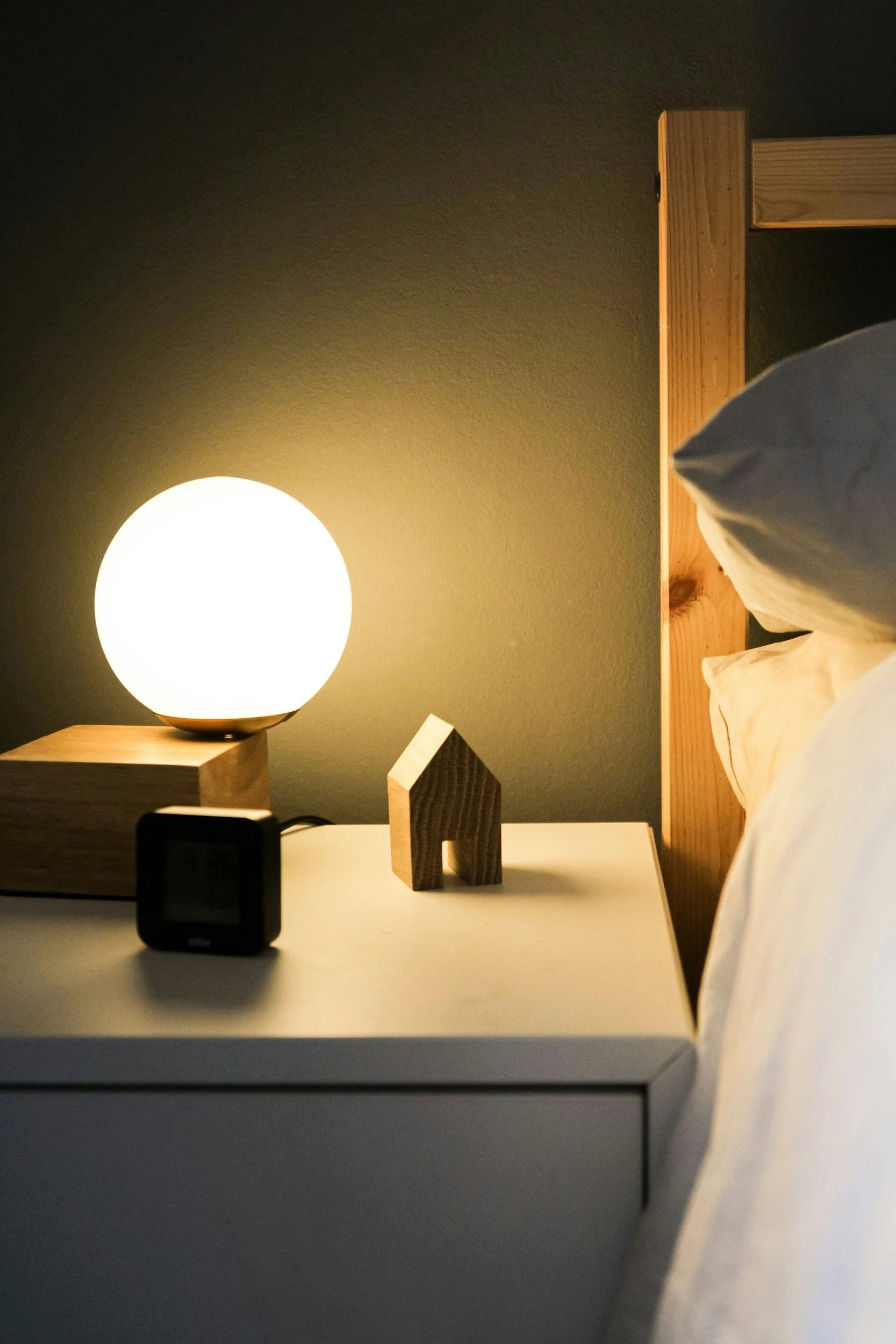
As the days get shorter, the clocks fall back, and our body’s internal clock will have to adjust to the change. It may seem surprising, but nutrition and sleep are more connected than they seem.
The foods we eat, and when we eat, do play a role in our quality of sleep. Throughout this blog, you’ll learn how to use nutrition to optimize your body’s rest!
Late Night Snacking
We have all had our late-night cravings, whether it be our favourite ice cream, chocolate or any sweet treat.
Don't get me wrong, there’s nothing wrong with treating yourself, but you may want to have these sugary foods earlier and not too close to your bedtime.
Here’s why having sugar close to bedtime is not the best for your sleep cycle:
Since sugar spikes blood sugar levels, a late-night treat can cause restlessness and trouble trying to stay asleep
Furthermore, this can also lead to insomnia
Difficulty in falling asleep due to sugar stimulating the brain
Higher chances of increased cortisol, the “stress hormone”. At a time when your body is supposed to be at peace and restful, an increase in this stress hormone makes you feel alert, making it difficult to fall asleep. 1
So when exactly is “too close to bedtime?”. And when’s the best time to enjoy your late-night snack?
Research shows that eating 2-3 hours before bedtime is ideal to avoid poor sleep consequences (2)
For the Coffee Lovers…
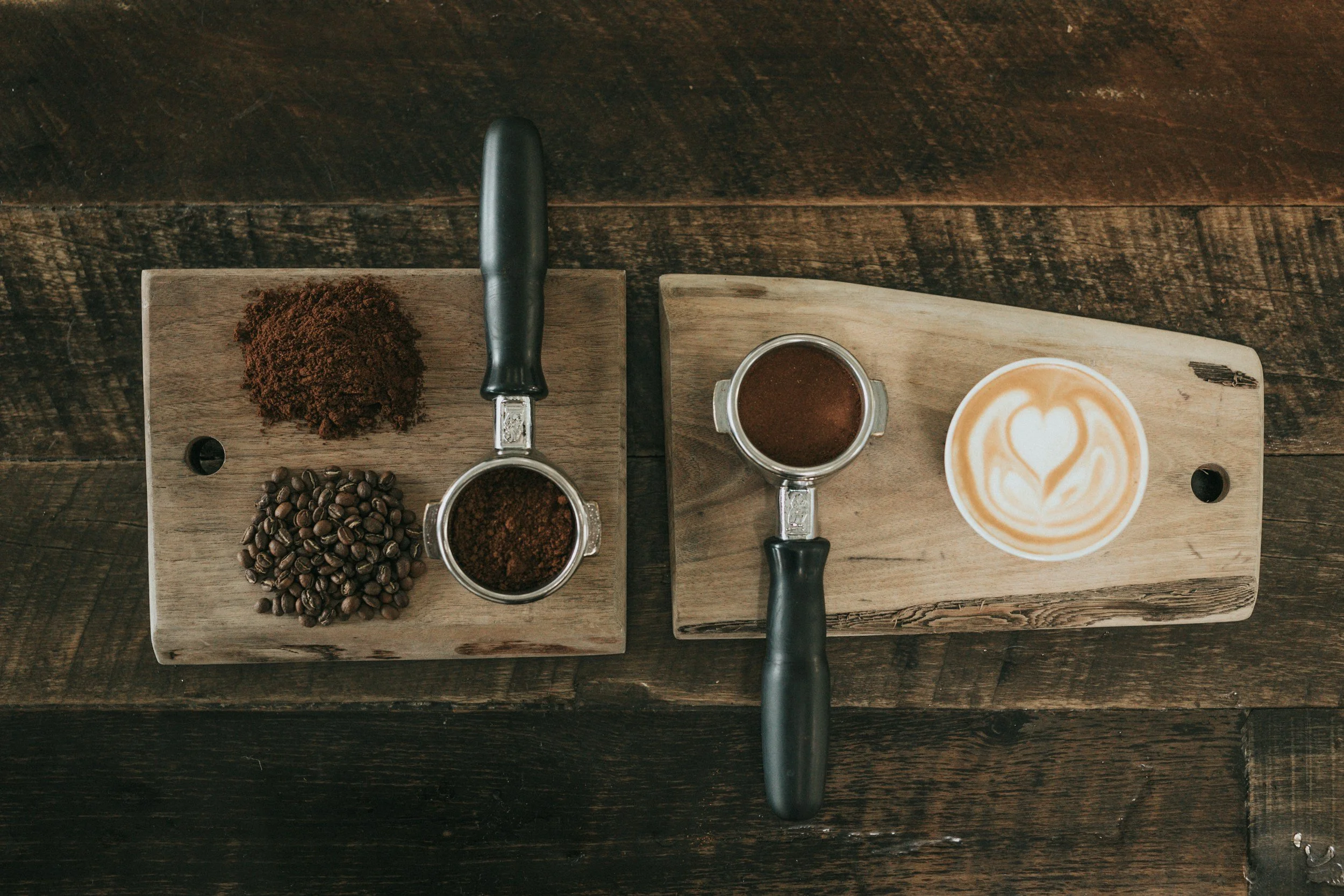
Did you know that there is an optimal time to drink your morning coffee?
It’s when your cortisol levels are lower, and it is possible to estimate what time range this is in.
When you first wake up, your cortisol level is at its peak. Cortisol is known as the “stress hormone”, enhancing increased alertness and energy. That being said, it is ideal to drink caffeine about 45 minutes after waking up to decrease the chances of long-term increased cortisol and avoid an afternoon energy crash.3
Letting Your Stomach Rest
Another kind of food that is best to eat further from bedtime is spicy, high-fat or fried foods! These foods can lead to indigestion and acid reflux at bedtime.4
This can make it more difficult to fall asleep and may lead to waking up throughout the night.
Eating Your Way to Better Sleep
Let’s dive into a quick lesson on the importance of serotonin and melatonin, because these are the two key hormones in your body that help regulate and promote a healthy sleep cycle.
Foods that help the body produce serotonin are rich in tryptophan, which is an amino acid that humans can only consume through eating. This means the body cannot make tryptophan itself!
Foods high in tryptophan, therefore high in promoting serotonin, are:
Poultry
Fish
Tofu
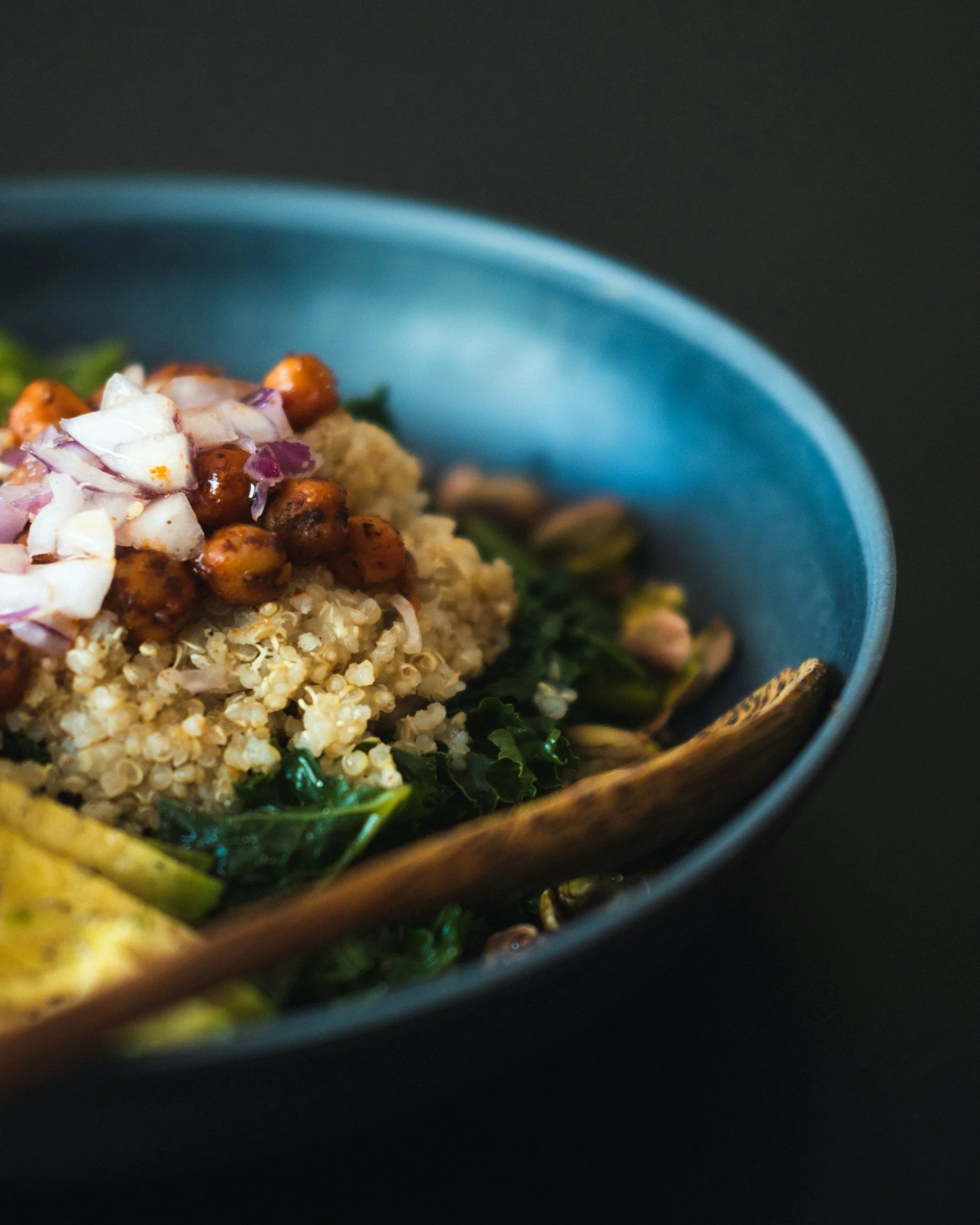
Quinoa
Peanuts
Carrots
Prunes
Some melatonin-rich foods include:
Cherries
Eggs
Almonds
Milk
A Restful Ending
Paying attention to how and when you nourish your body throughout the day can certainly be used as a tool to improve sleep quality!
You may find it a bit difficult adjusting to the end of daylight savings, but trying these few mindful changes, can help ease your body to a more healthy sleep rhythm.
Prioritize your quality of sleep! Our bodies deserve to be restored and feel well-rested! :)
Bibliography
1. Team SE. The Impact of Sugar on Sleep: Understanding the Connection. sleepmeTM. Published October 17, 2024. Accessed November 3, 2025. https://sleep.me/post/how-sugar-affects-sleep#hormonal-imbalance
2. Pacheco D. Is It Bad To Eat Before Bed? Sleep Foundation. Published March 21, 2023. https://www.sleepfoundation.org/nutrition/is-it-bad-to-eat-before-bed
3. Olsen N. When Is the Best Time to Drink Coffee? Healthline. Published May 15, 2020. https://www.healthline.com/nutrition/best-time-to-drink-coffee#cortisol-coffee
4. Goldman S. Top Ten Foods to Avoid for a Good Night’s Sleep. Comprehensive Sleep Care. Published October 18, 2023. https://comprehensivesleepcare.com/2023/10/18/top-ten-foods-to-avoid-for-a-good-nights-sleep/